

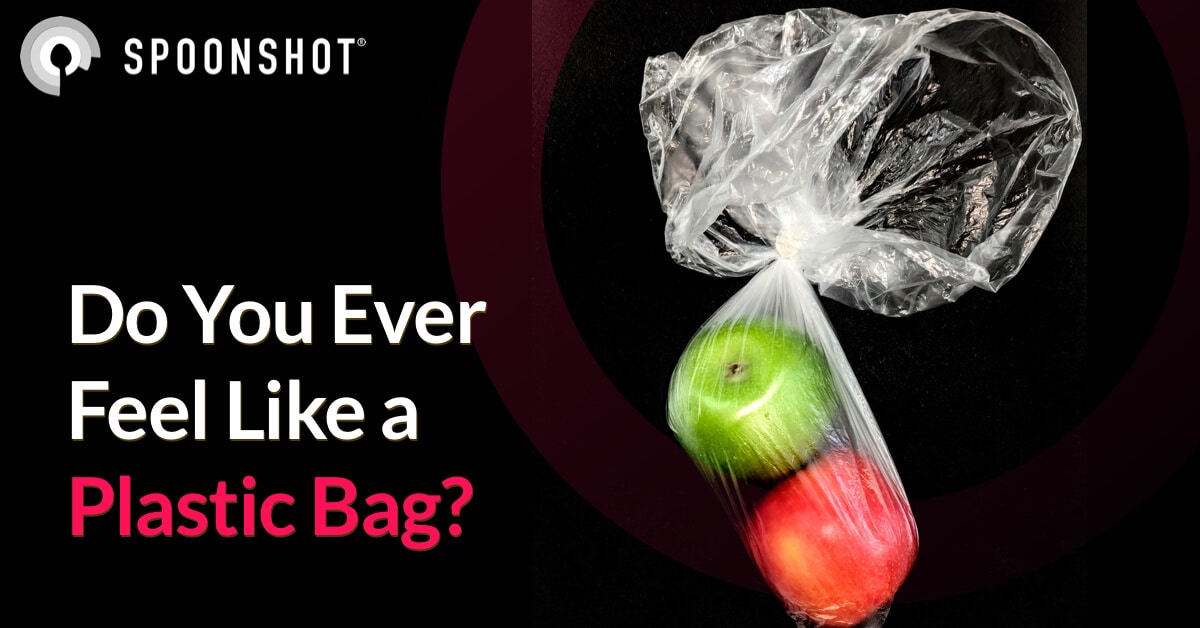
For those of you who are wondering what we are talking about – it’s a line from Katy Perry’s famous song ‘Firework’. It makes me wonder if she was really talking about the damages that plastic has already done, because it seems to live forever, in landfills, in oceans, on beaches. It’s practically everywhere!
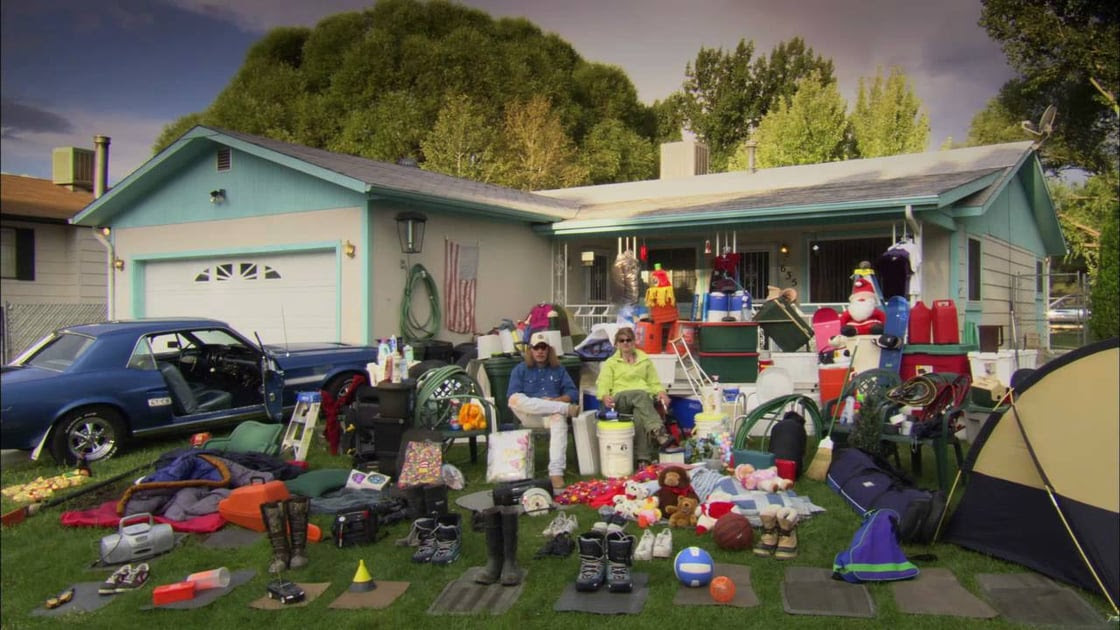
According to an Environmental Protection Agency (EPA) report, the total solid waste generated in the U.S. in 2015 amounted to a staggering 263 million tons, with plastics alone making 13.1% of this amount. Today, 300 million tonnes of plastic waste is produced by us.
That’s like living in a plastic world!
While multinational food and beverage companies are the main contributors to the world’s plastic waste, there is also a conscious effort from these companies to cut plastic use by creating a new biodegradable packaging material.
Beer brand Carlsberg has launched the world’s first ‘paper’ beer bottle made from wood fiber. Startups like Decomer are creating a new biodegradable packaging material made from plants, which is soluble at a variety of water temperatures.
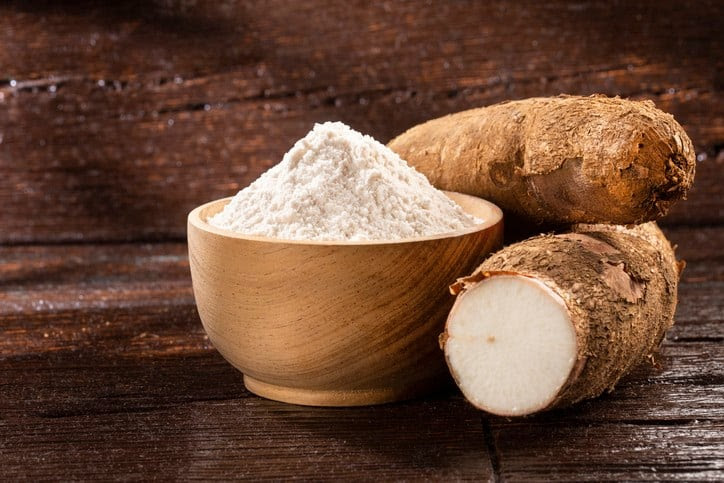
A team of scientists in Brazil has developed a biodegradable plastic that could be used for food packaging or carrier bags by applying ozone gas to cassava starch.
Researchers in Australia have designed a system to transform agri-waste from banana into biodegradable, non-toxic, bio-plastic.
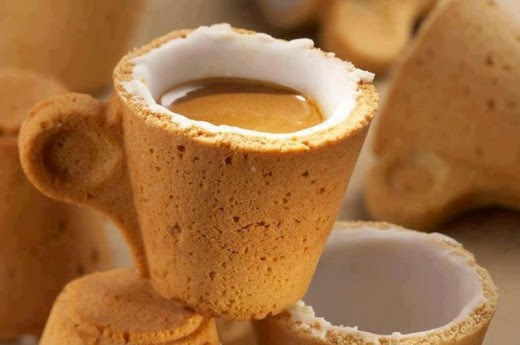
Now, what if you could eat the packaging? Some brands have taken this up seriously and want you to eat every bit of the product they make. There are edible wrappers for sandwiches, cookies, ice cream bars, and other individually wrapped foods made from natural materials such as potato, rice paper, seaweed, wax-coated sugar, and tomatoes.
To give you an example – a leading brand has created seaweed-based containers as an excellent alternative to plastic bottles. Once you finish drinking the contents, you can either eat the pouch or toss it, and it will biodegrade in four to six weeks.
So DRINK, EAT, REPEAT!
With Christmas and New Years round the corner, it’s the perfect plan!
So from all of us at Spoonshot, we wish you a Merry Christmas and a Happy New Year!


Leave a Reply