

As many parts of the vaccinated world emerge from the coronavirus cocoon and into the great outdoors unmasked, it’s time to re-integrate into society and re-learn some of those long-forgotten social skills just in time for a lovely summer. And what better way to do so than with a refreshing drink in your hand? Well, with a refreshing drink in your hand that’s also sustainable!
Sustainability is now a must-have for alcohol brand manufacturers
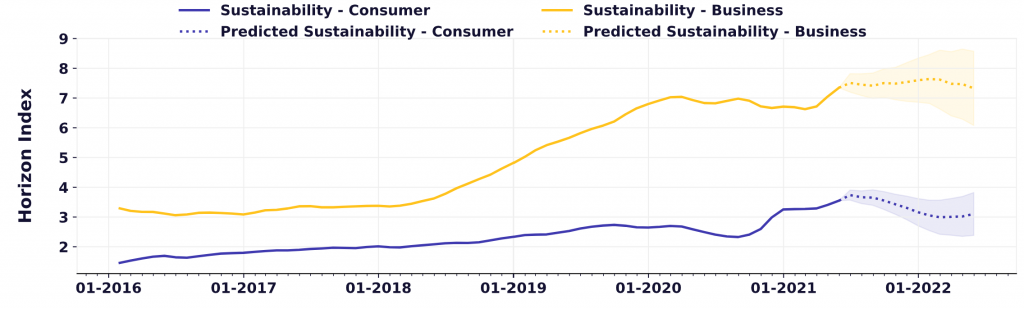
According to Spoonshot’s data, references to sustainability in consumer media (blogs and articles written by influencers and consumers in consumer media channels) grew by 47% over the last 12 months (to May 2021).
While references to sustainability in business media (blogs and articles written by industry professionals in business media channels) grew by just 8% during the same period, interest in sustainability in business channels was 2.7x greater than that from consumer channels.
Across food and drink categories, sustainability has gone from being a “nice-to-have” claim to an “absolutely necessary” claim. This is becoming true in the alcohol space as well, as more sustainable alcohol brands emerge and look to offer booze that’s better for the planet.
Also Read: New Food Product Development Ideas for 2022
How consumers see sustainability
One of the problems with sustainability as a claim – individually or collectively – is that it means different things to different people. It is a multi-layered issue and so can’t really have a narrow definition, but like any other product claim, evidence of sustainability needs to be transparent and quantifiable.
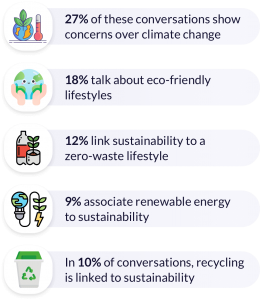
Social media conversations on sustainability cover topics across different sectors and industries, pointing to different ways in which consumers approach this issue. Our analysis of these conversations highlighted some of the associations that consumers make with regard to sustainability.
Consumer associations with sustainability
The alcohol industry has read the grain mash or wine lees (depending on your choice of poison) and is bringing in measures to standardize what can or can’t be a sustainable product.
- The International Wine and Spirits Commission last year released a standard that lists criteria for brands to be seen as sustainable, which covers
- repurposing (such as recycling casks, using alternative energy, reducing plastic)
- supporting the local economy
- conscious ingredient sourcing and use
- In the US, the Distilled Spirits Council of the United States introduced an initiative called Environmental Sustainability Best Practices, covering six main issues
- land stewardship
- responsible water use
- energy reduction
- circular material syncing
- waste reduction
- evaluating transport burdens
Let’s take a look at a few other companies in the alcohol space that are following some of these principles of sustainability.
Also Read: Food Trends 2022 | Beverage Trends 2022
Upcycling/Recycling
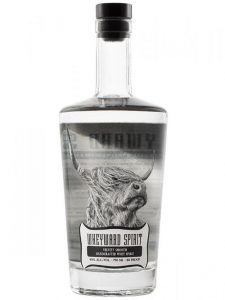
Wheyward Spirit is a manufacturer of sustainable spirits made from liquid sweet whey, the liquid byproduct of cheese making. This company sources the whey from dairies and uses a proprietary fermentation and distillation process that converts this byproduct into a premium craft spirit similar to vodka.
Whey-based spirits are not new, but they are definitely not mainstream. Every pound of cheese made, 9 pounds of liquid sweet whey is produced – and very often just thrown away. With the growing interest in upcycling and waste reduction though, we can expect to see a lot more innovation using whey in the sustainable alcohol space.
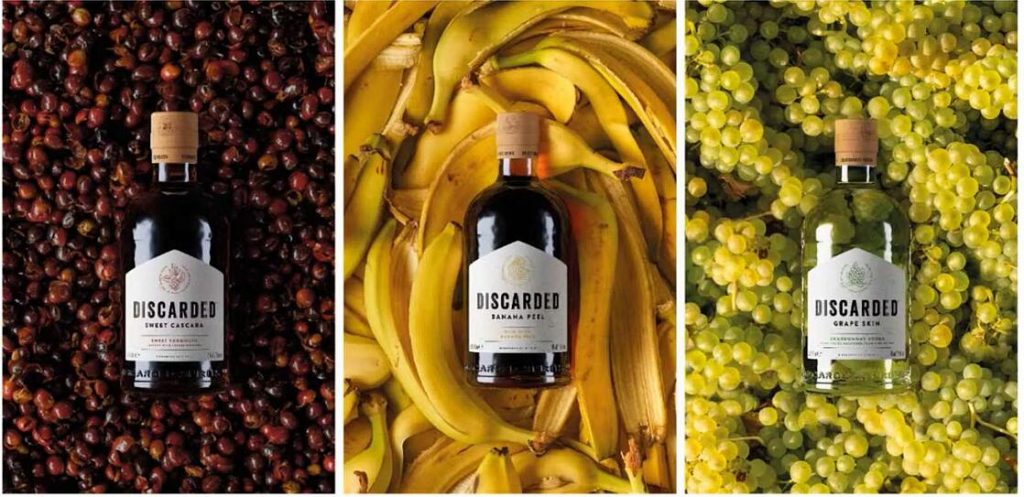
Discarded Spirits has a range of sustainable spirits made incorporating discarded fruit peels or fruit-based byproducts from other food processing activities. The company’s range includes
A sweet vermouth infused with cascara or coffee cherry
A cask-aged rum infused with banana peel extract
A Chardonnay vodka made by distilling recovered parts from wine-making, like skins, stems, seeds (the pomace)
Renewable energy
Mezcal de Leyendas’ new product Vinata Solar is positioned as the world’s first mezcal made entirely using solar energy. The spirit is distilled in a proprietary repurposed tractor that has been made into a still powered using solar panels.

Must Read: Big Data in Food and Beverage Industry
Tackling plastic waste
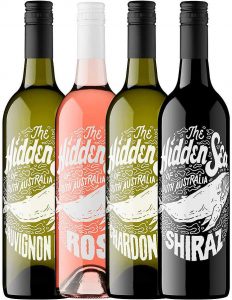
The Hidden Sea, an Australian sustainable alcohol wine brand, is focusing on dealing with the plastic waste in our oceans. The company has pledged that it will remove 1 billion plastic bottles from the oceans by 2030. For each bottle of wine sold, the company says that it will remove and recycle the equivalent of 10 plastic bottles from oceans and rivers. As of June 25, 2021, over 3 million plastic bottles had been removed.
Going plastic-free is another feature associated with sustainability in social media conversations, and more companies are working towards reducing their plastic usage. Bacardi, for example, announced its decision to shift to 100% biodegradable packaging over the next few years.

Carbon footprint
Social media conversations on sustainability also link it to reducing carbon footprint. “Carbon neutral” is a term that consumers are more familiar with, but “carbon negative” is also becoming better known. Around 1% of conversations on sustainability also talk about carbon negative.

Last year, BrewDog became the first beer company to go carbon negative but it isn’t the only alcohol company looking closely at reducing its carbon footprint.
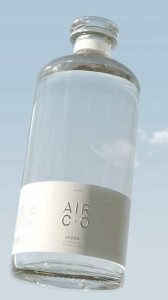
Air Company is the maker of the world’s first carbon-negative spirit, and its first product – Air Vodka – is said to remove as much carbon dioxide from the atmosphere as 8 fully grown trees. The company has developed a process that mimics photosynthesis but at a much faster rate. This carbon capture technology, which is said to use only water, air, and sunlight as inputs, converts carbon dioxide from the air into impurity-free alcohols that can be used across a number of products.
The technology breaks apart the captured carbon dioxide along with water and reforms them to produce alcohol, with oxygen as the only byproduct. This process is said to remove 1.5kg of carbon dioxide from the atmosphere for every kilo of alcohol produced.
Also Read: Trends in Carbonated Soft Drink Industry
Alcohol companies are also participating in waste reduction by partnering with companies that utilize the byproducts of the manufacturing process to make other products, such as snack bars and plant-based milks from left-over grain mash as well as extracting nutrients like arabinoxylan.
This is just a sampling of the sustainability focus of alcohol companies; there are several others working on this issue in a multitude of ways. All of these steps at scale will contribute to sustainable drinks, which will become the norm in the coming decade.
So, salut! To your health and the planets.


Leave a Reply